Internship programs play a key role in supporting career readiness by combining practical ICT skills with guided workplace experience. Research shows that structured internships improve employability and professional confidence. Kartel Tech applies these principles through mentorship supported internship programs aligned with real technology services.
Introduction
Career readiness has become a central concern within ICT education and workforce development. Research shows that learners often complete formal education without sufficient exposure to real workplace expectations. Internship programs address this gap by providing practical experience supported by guidance and reflection (Alao and Brink, 2022).
Kartel Tech supports career readiness through structured internship programs that integrate mentorship, real tasks, and continuous learning. This approach reflects research findings that emphasise experiential learning as a key driver of employability. More context about the organisation and its learning environment is available on the Who We Are page.
Internship programs and career readiness
Research highlights that internship programs help learners develop skills that align with workplace requirements. When internships are structured and supervised, learners gain technical competence alongside professional behaviours such as communication, time management, and problem solving (Moore, 2022).
Internship programs improve career readiness by exposing learners to real responsibilities rather than simulated tasks. As a result, learners understand expectations, workflows, and accountability, which strengthens job preparedness (Labmentix, 2025).
Mentorship within internship programs
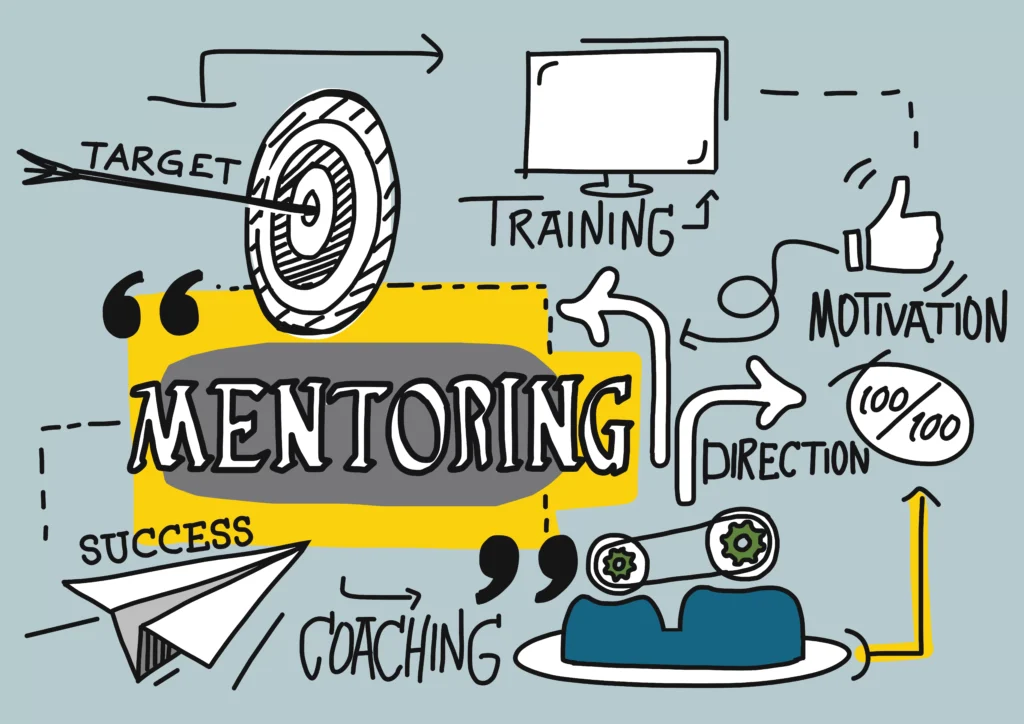
Mentorship is a defining element of effective internship programs. Research shows that interns benefit most when mentors provide guidance, feedback, and structured learning opportunities. This support transforms internships from observation into active learning environments (Moore, 2022).
Mentors help interns connect theory to practice. Consequently, interns gain confidence and clarity while developing both technical and soft skills. Research links mentorship supported internships with improved career outcomes and employability readiness (Labmentix, 2025).
A research aligned internship model at Kartel Tech
Kartel Tech applies research supported internship principles by embedding interns within real service environments. Interns participate in tasks related to ICT services, digital operations, and customer support under mentor supervision.
This approach aligns with research that emphasises work integrated learning as a pathway to career readiness. Internship experiences at Kartel Tech reflect practical exposure rather than isolated training tasks, which supports skills transfer into professional contexts (Alao and Brink, 2022).
Examples of the environments where interns apply their learning are outlined across Kartel Tech Services and demonstrated through completed work in the Portfolio. Structured learning pathways that support these internships are also described under ICT Training.
Separating organisational practice from research evidence
Organisational internship practices illustrate how learning occurs in real environments. However, research provides the broader evidence base that explains why these practices are effective. Studies confirm that structured internships improve skill application and employability when learning is guided and reflective (Moore, 2022).
Research on internship outcomes further explains how practical exposure supports long term career development and job readiness across different sectors (Labmentix, 2025).
Digital tools and modern internship programs
Modern internship programs increasingly rely on digital tools to support communication, coordination, and mentorship. Research on digital mentorship shows that technology enables continuous guidance and flexible learning structures (PushFar, n.d.).
Virtual and hybrid internship models also support accessibility and inclusion. Research indicates that digitally supported internships can deliver comparable learning outcomes when structured effectively (Benkotic, 2025).
Additional insights related to learning and applied practice are shared through the Kartel Tech Blog.
Implications for employability and workforce preparation
Career readiness improves when internship programs align learning with real workplace demands. Research shows that learners who complete structured internships demonstrate stronger job preparedness, professional confidence, and adaptability (Labmentix, 2025).
Internship programs supported by mentorship therefore play a critical role in preparing learners for evolving ICT careers. These outcomes align with broader research on experiential learning and workforce development (Alao and Brink, 2022).
Conclusion
Internship programs remain a powerful tool for supporting career readiness when grounded in mentorship and practical responsibility. Research confirms that structured internships improve employability and skill application. Kartel Tech demonstrates how research informed internship programs can support workforce preparation through real world learning environments.