

Introduction
Young people need practical digital skills for education work and entrepreneurship. However, access to meaningful training is not equal. Evidence suggests many learners want digital skills but do not receive structured training opportunities (UNESCO UNEVOC, 2025).
Skills needs are also rising fast. A report on digital skills for youth employment in Africa estimates that 230 million jobs in sub Saharan Africa may require digital skills by the end of the decade (Howard, 2023). This trend reinforces the value of practical ICT training and mentorship. Kartel Tech responds through structured learning that prioritises real tasks and guided support.
Why practical ICT training matters for youth
Practical training helps learners build ability through doing. It also reduces fear of technology. Evidence from education and employment research shows that work relevant training improves readiness and helps learners apply skills in real contexts (World Bank, 2019).
A World Bank paper focused on youth who are not in employment education or training in Africa highlights the importance of digital skills development pathways that connect training to inclusion and employability (Gala, 2025). This supports a practical training model that builds both access and competence.
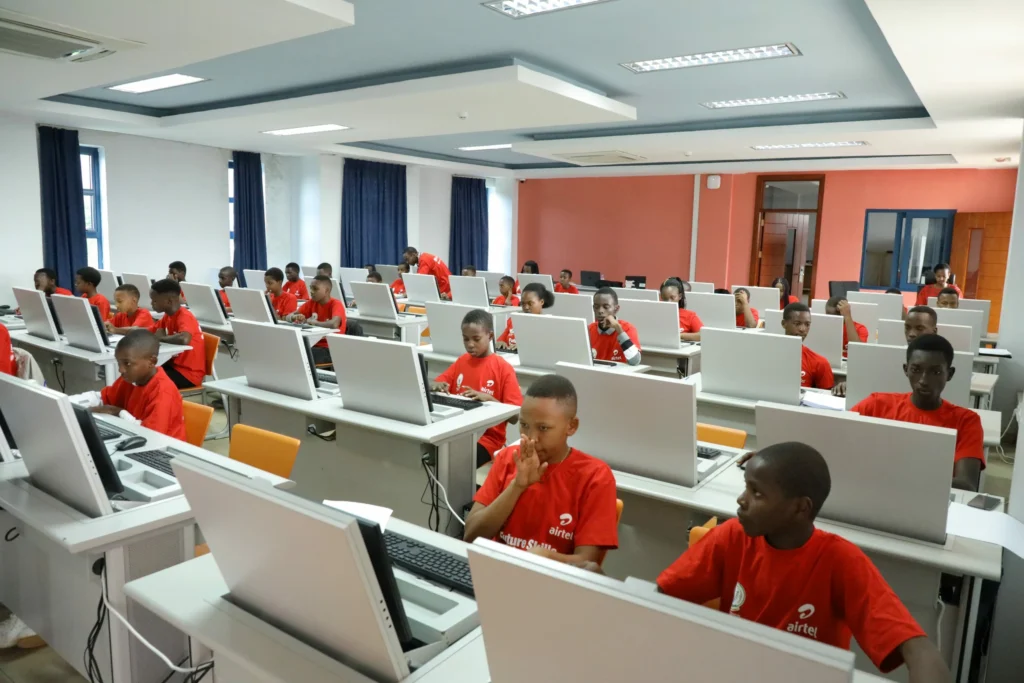
Kartel Tech applies practical ICT training by focusing on hands on tasks. Learners practise real workflows. They learn how tools work in daily life and work settings.
Mentorship strengthens learning and confidence
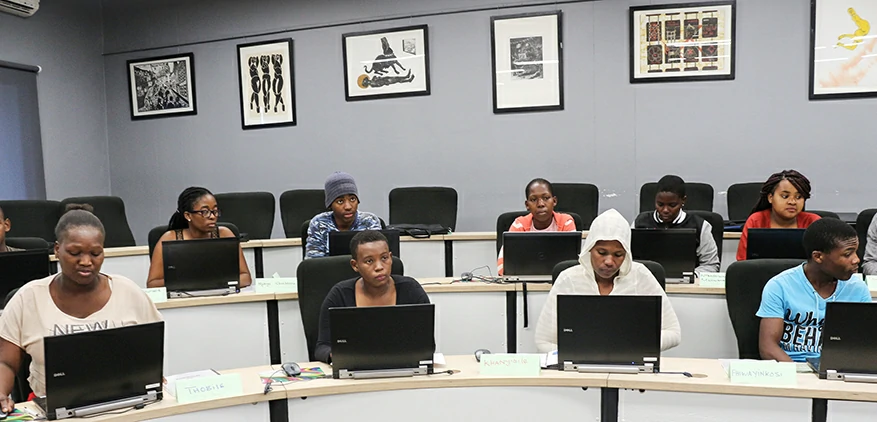
Mentorship is not only support. It is also structure. Mentors help learners stay consistent and solve problems. Youth learning improves when guidance is available during practice rather than after it.
Evidence on youth skills development emphasises that training outcomes improve when learning is supported through guidance and engagement. UNESCO UNEVOC reporting highlights that youth motivation is strongly linked to employability and practical learning opportunities (UNESCO UNEVOC, 2025). This makes mentorship a core part of effective training design.
Kartel Tech uses mentorship to guide learners through tasks. Trainers provide feedback. Learners gain confidence through repeated practice and supported improvement.

Career readiness and exposure to workplace expectations
Career readiness grows when young people understand how skills connect to work. Work based learning research shows that workplace exposure is linked to better adult employment outcomes. Evidence from multiple longitudinal datasets indicates that teenage experiences of work related activities can support stronger employment prospects later (OECD, 2021).
This reinforces a simple idea. Youth need real exposure. They also need guidance while learning. Practical ICT training and mentorship support both. Kartel Tech applies this by teaching skills that match real workplace routines and expectations.
Building inclusive digital capability
Digital capability is not a single skill. It is a set of habits and abilities. Learners need access, practice, and support. In many settings, youth face a training gap even when motivation is high. UNESCO UNEVOC reports a significant gap in formal and non formal digital training, with many youth interested but not yet trained (UNESCO UNEVOC, 2025).
Kartel Tech focuses on inclusion by making learning practical and supportive. Learners build skills that they can use immediately. They also develop confidence to keep learning over time.
Conclusion
Practical ICT training and mentorship help young people build usable digital skills, confidence, and career readiness. Evidence shows that youth interest in digital skills is high, yet access to training can remain limited. Kartel Tech applies a practical and mentorship led approach that supports skill development aligned with real world digital needs.